A group of heroes on a quest. A gang of young criminals preparing to pull off a heist. A circle of friends confronted by a horrifying evil. A family discovering secrets either devastating or delightful. A gathering of suspects, one of whom committed a murder.
For a writer, an ensemble cast is a challenge (and a whole lot of fun). Depending on the genre, the characters can be quick, eccentric sketches or fully developed. Ensembles are no easy feat. You don't want an upstart in the ensemble to usurp the protagonist or the antagonist. They serve as mirrors. A protagonist surrounded by fully realized characters who offer another view of your hero (or villain), actually make primary characters shine, bring out the best (or worst) in them, reflect strengths and weaknesses.
A collection of characters shouldn't be a challenge to the reader, but a fabulous discovery. An ensemble is a breeding ground for amusing or heartbreaking conflict, shattering betrayals, astonishing reversals, secrets, love, hate. While the reader must be invested in your main character (so make them interesting, the one who experiences most of the above), an even divide of attention for the cast is acceptable, as long as there aren't too many people. Each cast member should have a story arc that gracefully syncs with the protagonist's.
Back stories are fun ways to keep characters interesting. Even though you probably won't use half of what you invent for your ensemble, a back story creates a unique person and can even trigger key elements in your plot. I keep a journal for every book I write, and fill it with place names, turns of phrase, sketches, character stories, letters, biographies, etc;
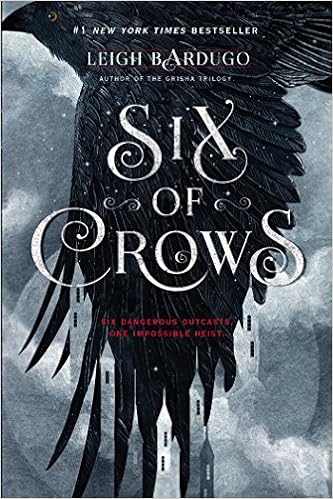
For fantasy writers, ensembles turn us into ringmasters, because we really need to keep the three-ring acts moving and not let anyone outshine the main character. Tolkien's Lord of the Rings is a classic combo of characters, all with grudges against each other and back stories that are legendary because they're all connected to legends. Each of Leigh Bardugo's Six of Crows criminal gang has a story that explains how they've been damaged in some fashion at such young ages. And Game of Thrones has kings and queens, upstarts and commoners, all battling one another for one thing.
Everyone considers themselves the hero of the saga.
There are other ensemble tropes: A group of friends are confronted by evil, usually in the form of a monster. Stephen King's collection of friends in It, for instance, grow up with psychological trauma caused by the monster and their own childhoods. The Pevensey family from C.S. Lewis's Chronicles of Narnia have the horrors of World War II to deal with before they step into a fantasy world where they each follow their own path. The Narnia books can also be considered a family ensemble. This trope plays out in mystery stories and in horror, as well, when a family has to deal with secrets and betrayals that will end them or make them stronger.
Combining ensemble tropes is popular in fantasy. A murder mystery and a fantasy? Jay Kristoff's NeverNight, set at a school for young assassins, or Seanan Mcguire's Every Heart a Doorway, which takes place at an academy for young people who've been to other worlds, are fantastic examples of mixing ensemble tropes. Horror fantasy? Stephen King's Dark Tower series has horror elements surrounding a fabulous cast on a fantastical quest. And Barbara Hambly's Time of the Dark series has two people finding themselves in a different world, surrounded by a cast of characters at war with one another and Alien-like horrors.
What does an ensemble cast offer?
1) Diverse personalities to bring out unique elements in your main character or antagonist
2) Individual character arcs that help drive plot
3) Complications/help sources for the protagonist
4) More characters to root for. (Or fear).
5) A bounty of secrets, betrayals, love, humor.
6) Other characters who see the protagonist in different ways and help to make the hero more three-dimensional.
Ensembles are a fantastic way to create a complex world for your main character, keeping you from stereotypes and cardboard settings.
Monday, December 30, 2019
Tuesday, October 29, 2019
10 Favorite Scary Books 2019
Night Film by Marisha Pessl
A horror film director's daughter suicides and a young journalist tries to figure out why, accompanied by 2 quirky proteges. Did something supernatural occur? Or was it just weird reality?
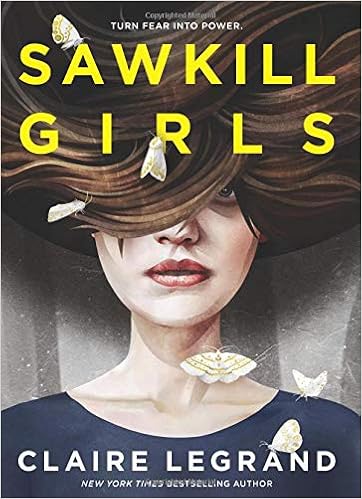
Sawkill Girls by Claire Legrand
What do you get when you cross Buffy the Vampire Slayer with The Babadook? This awesome LGBTQ horror novel with a twist.
Frankenstein by Mary Shelley
I just reread this and forgot how creepy and beautiful a story it is, with Frankenstein's monster a figure of tragic neglect.
The Creeping by Alexandra Sirowy
A scary, contemporary tale about a once popular girl who has undergone a childhood trauma in the woods and a geeky boy who's one of the most likable boy-as-a-friend-becomes-a-romance I've ever read.
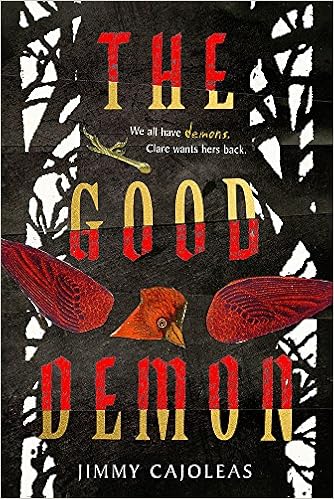
The Good Demon by Jimmy Cajoleas
Chilling story of a teen girl's isolation in a southern town. The demon isn't as demonic as what waits at the heart of the woods in this creepy, atmospheric tale.
The House by Christina Lauren
A possessive house raises an orphaned boy. Then a girl comes along and the house gets jealous. And whatever it is, it can effect her even when she's not there.
Alabaster by Caitlin R. Kiernan
A tough, mysterious girl fights disturbing monsters in this anthology by a master of horror.
Reigning Cats and Dogs by Tanith Lee
Steampunk horror, with a romance between two young people trapped in a Victorian life of drudgery, elevated when each becomes possessed by the Egyptian gods Bastet and Anubis.
Casquette Girls by Alys Arden
A unique and entertaining vampire story set in hurricane-ravaged New Orleans. The heroine and her friends are likable, the vampires gorgeous and scary.
The Stress of Her Regard by Tim Powers
Weird and intriguing. Percy Shelley and other poets are persecuted by a terrifying muse who is actually a monster form ancient mythology. Original and astonishing.
The Vampire Lestat by Anne Rice
A lyrical, mythical, and horrifying story of vampires, starring a charming monster. Fascinating characters and historical settings.
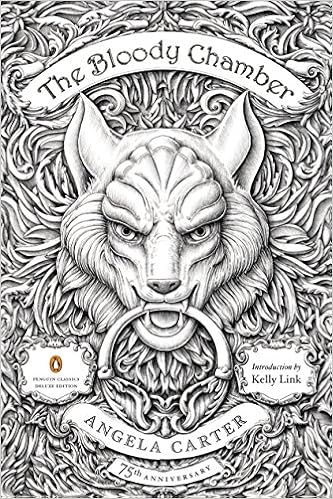
The Bloody Chamber by Angela Carter
An anthology of beautifully told, vivid tales of fairy tale horror.
Tuesday, May 7, 2019
10 TERRIFYING CREATURES FROM CHILDREN'S LITERATURE
While creating some monsters for my latest book, I thought about what terrified me, and most of what did were monsters from childhood stories. Here are some classics that gave me the willies.
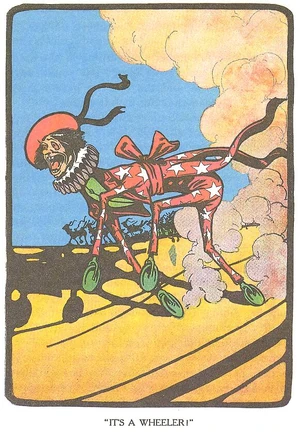
The Wheelers (Ozma of Oz by L. Frank Baum)
Half man, half bicycle, these nightmares make the flying monkeys look downright adorable in comparison. Watch the film Return to Oz if you have any desire to see these horrors in the flesh.
Princess Langwidere (Ozma of Oz by L. Frank Baum)
Yet another Oz creature, memorable because of her vain and psychotic desire to collect the heads of young girls to use as her own, a sort of mix-and-match. She kept the heads on shelves in her walk-in-closet. Like hats.
The Scissor Man (German nursery rhyme)
This vicious tailor is portrayed in some illustrated editions as an elongated, grinning fiend with scissor for hands. Beware, all thumbsuckers, Edward Scissorhands he is not.
Jadis, The White Witch (The Lion, The Witch, and The Wardrobe by C.S. Lewis)
Seductive and icy (and played to perfection in the film by Tilda Swinton), this power-hungry witch is portrayed in one chilling illustration with a knife in one hand, preparing to stab Aslan the lion, bound and beaten and tied to a slab. I was nine when I opened this book for the first time to that illustration and hastily returned this book to the library shelf.
Tinkerbell (Peter Pan by J.M. Barrie)
This tiny, pretty fairy terrifying? She was a murderous, treacherous bit of jealousy who tries to get the lost boys to kill Wendy and almost betrays Peter Pan. I always imagined her with sharp teeth.
Jabberwocky (Through the Looking Glass by Lewis Carroll)
A nonsense poem about a monster read by Alice. John Tenniel's nightmarish illustration of this thing has it looking like a cross between a giant catfish and a frog, with big teeth and sharp claws. And it's wearing a vest.
It (A Wrinkle in Time by Madeleine L'Engle)
Okay, not the clown. Described as a giant, muscular brain, It is an intellect that only wants to rule and, if you've read the story, I'm sure you still fell a bit of unease whenever you see an anatomical model of a brain.
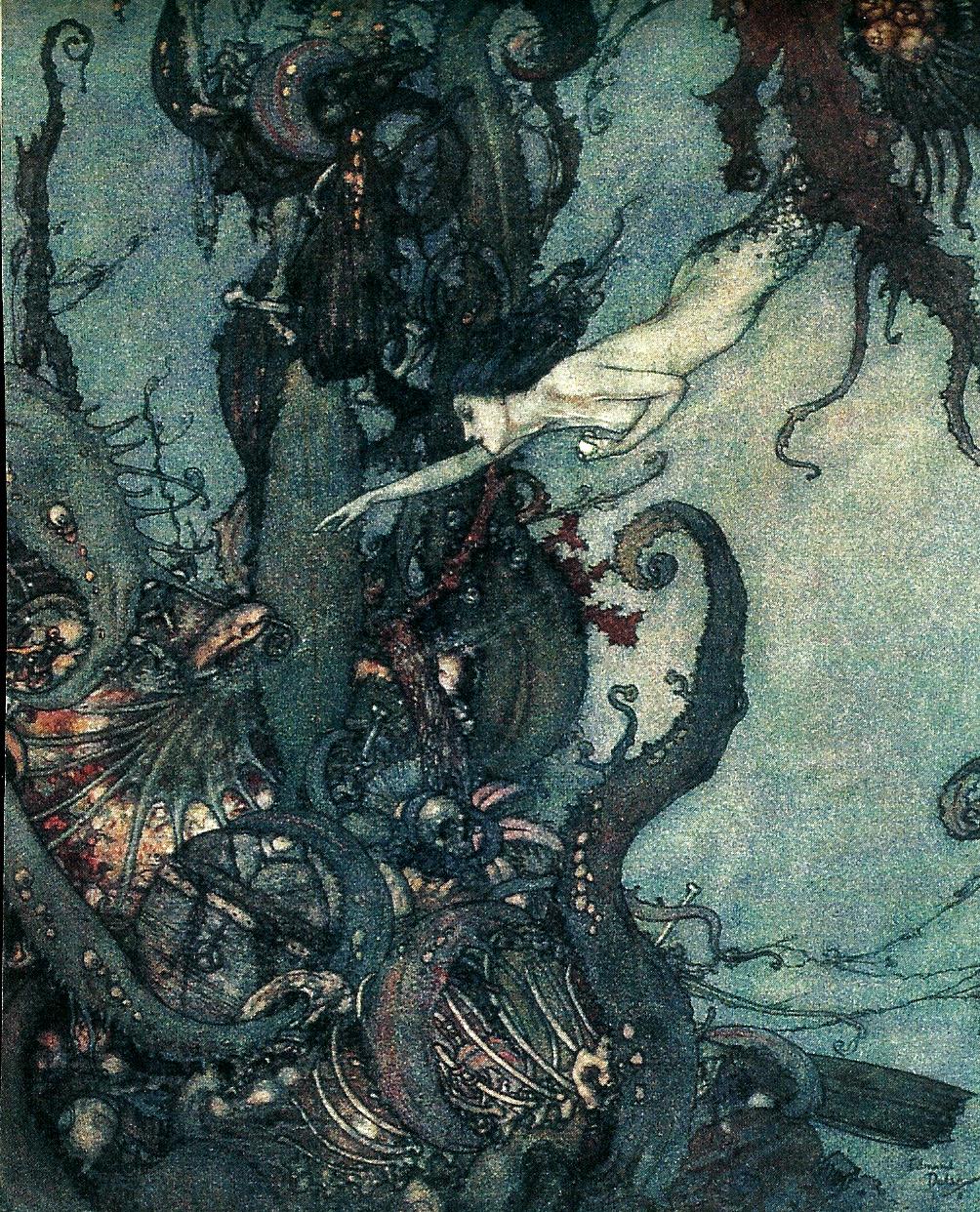
The Sea Witch (The Little Mermaid by Hands Christian Andersen)
slimy polypi, grass snakes,toads, and large, swampy breasts are the terms used to describe this hideous witch of the sea, who cruelly fools a little mermaid into giving up her voice and eventually her life.
Shlamoofs (The Neverending Story by Michael Ende)
Butterfly clowns. Yes. Butterfly clowns. comical, yet terrifying, as is the case with most clowns, and adding butterfly wings doesn't making them any less skincrawly.
Gollum (The Hobbit by J.R.R. Tolkien)
Grotesque, vicious, pathetic, insane, he is the creep in the dark.
And that's it, boy sand girls. what do you remember as terrifying in your storybooks?
The Wheelers (Ozma of Oz by L. Frank Baum)
Half man, half bicycle, these nightmares make the flying monkeys look downright adorable in comparison. Watch the film Return to Oz if you have any desire to see these horrors in the flesh.
Princess Langwidere (Ozma of Oz by L. Frank Baum)
Yet another Oz creature, memorable because of her vain and psychotic desire to collect the heads of young girls to use as her own, a sort of mix-and-match. She kept the heads on shelves in her walk-in-closet. Like hats.
The Scissor Man (German nursery rhyme)
This vicious tailor is portrayed in some illustrated editions as an elongated, grinning fiend with scissor for hands. Beware, all thumbsuckers, Edward Scissorhands he is not.
Jadis, The White Witch (The Lion, The Witch, and The Wardrobe by C.S. Lewis)
Seductive and icy (and played to perfection in the film by Tilda Swinton), this power-hungry witch is portrayed in one chilling illustration with a knife in one hand, preparing to stab Aslan the lion, bound and beaten and tied to a slab. I was nine when I opened this book for the first time to that illustration and hastily returned this book to the library shelf.
Tinkerbell (Peter Pan by J.M. Barrie)
This tiny, pretty fairy terrifying? She was a murderous, treacherous bit of jealousy who tries to get the lost boys to kill Wendy and almost betrays Peter Pan. I always imagined her with sharp teeth.
Jabberwocky (Through the Looking Glass by Lewis Carroll)
A nonsense poem about a monster read by Alice. John Tenniel's nightmarish illustration of this thing has it looking like a cross between a giant catfish and a frog, with big teeth and sharp claws. And it's wearing a vest.
It (A Wrinkle in Time by Madeleine L'Engle)
Okay, not the clown. Described as a giant, muscular brain, It is an intellect that only wants to rule and, if you've read the story, I'm sure you still fell a bit of unease whenever you see an anatomical model of a brain.
The Sea Witch (The Little Mermaid by Hands Christian Andersen)
slimy polypi, grass snakes,toads, and large, swampy breasts are the terms used to describe this hideous witch of the sea, who cruelly fools a little mermaid into giving up her voice and eventually her life.
Shlamoofs (The Neverending Story by Michael Ende)
Butterfly clowns. Yes. Butterfly clowns. comical, yet terrifying, as is the case with most clowns, and adding butterfly wings doesn't making them any less skincrawly.
Gollum (The Hobbit by J.R.R. Tolkien)
Grotesque, vicious, pathetic, insane, he is the creep in the dark.
And that's it, boy sand girls. what do you remember as terrifying in your storybooks?
Friday, July 20, 2018
Quiet Heroines
Among the ranks of kick-ass heroines armed with martial arts, swords, and revolvers are the women and girls who are descendants of Jane Austen's female protagonists and Charlotte Bronte's Jane Eyre. Like Nancy Drew, they use smarts, and, like Alice in Wonderland, they use curiosity to negotiate their stories.
Here are some of my favorite bookish heroines:
Ariane in Moonwise by Greer Ilene Gilman
Set in the contemporary British Isles, this lyrical tale is about Ariane, a gawky girl who must navigate a faery-haunted woods nearby to rescue her best friend. Language is the primary weapon here, and it is used beautifully.
Kate in The Perilous Gard by Elizabeth Marie Pope
In this Elizabethan fantasy, Kate, a handmaiden to the the exiled Princess Elizabeth, must use her wits to solve the mystery of a child's disappearance and rescue an arrogant boy she's reluctantly grown fond of from the faeries.
Eddi in War for the Oaks by Emma Bull
In contemporary Minneapolis, Eddi, a young musician, can see what she shouldn't. Like Kate, she must outwit the queen of an ancient race to save those she cares about.
Jenny Waynest in Dragonbane by Barbara Hambly
This woman and mother is a half-taught mage and a female version of those wizards in fantasy novels. She is the center of the story, not her be-spectacled dragonslaying husband. Jenny finds another way to defeat a dragon.
Jane in The Silver Metal Lover by Tanith Lee
In the future, sheltered Jane falls in love with a beautiful boy who happens to be an automaton. She must wage a futile battle against the establishment with a little help from her friends.
Wendy in Winterlong by Elizabeth Hand
In yet another future, Wendy, struggling with mental illness, makes her way across a broken chemical-damaged landscape, seeking her possessed twin brother. Her only weapon is her intellect and the poison within her.
Blue in The Raven Boys series by Maggie Stiefvater
Young Blue is a thoughtful, introverted girl raised by witchy women. Her friends are a group of unique boys. It is Blue who holds them together so none of them face some truly nasty characters alone.
While the quiet heroine might sometimes use magic or other special abilities, she rarely takes up arms. She uses her wits. Despite having a touch of the introvert, she establishes loyal friendships due to her curiosity and compassion for others. And, although it sometimes seems as if she'd rather curl up with a good book and a cup of tea, she will forge onward, against dragons, faery queens, and corrupt governments, fearless.
Sunday, March 25, 2018
11 Fantasy Books For Young Adults
Here are some excellent fantasy books that could be considered crossover YA. All of them our favorites of mine:)
The Silver Metal Lover by Tanith Lee
In a decadent future, a privileged girl falls in love with a beautiful boy, who happens to be a robot. A poignant tale about what makes a soul.
The Perilous Gard by Elizabeth Marie Pope
In Elizabethan England, a brave young woman must rescue a bitter young man from his suicidal pact with the faeries, depicted here as a strange, beautiful, and primitive race
A Darker Shade of Magic by V.E. Schwab
With its multi-dimensional Londons and trickster hero, Kell, this imaginative series has charismatic protagonists and intriguing villains. Lila is a friend to Kell and a thief to be reckoned with. Add to the mix a decadent prince who is Kell's friend and an inventive magical system.
Archon by Sabrina Benulis
A Gothic fantasy set in a college for witches in a rain-soaked future. Angels, demons, djinn, and rebel priests become problems for troubled student Angela Mathers, who must maneuver through a terrifying landscape to save her soul. For anyone who wondered what a Slytherin college might be like.
Rusalka by C.J. Cherryh
In old Russia, a young rogue named Pyetr is friends with Sasha, a young wizard. On the run, the two stay with an old wizard, and encounter a magical, perilous world. Most perilous is a strange girl who claims to be the wizard's daughter, who was murdered some time ago...A fabulous series based on Russian folk tales.
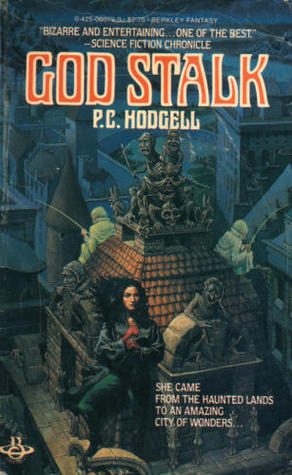
Godstalk by P.C. Hodgell
An anti-heroine who is a trickster and a killer when she needs to be. Set in a haunted, Gothic, maze-like city, amidst a college of thieves, this is a dark fantasy with complex characters and friendships and a villain named Bane, who is both seductive and horrifying, and perhaps related to Jame. For anyone who liked Sarah Maas's Throne of Glass series.
The Hound and the Falcon by Judith Tarr
The Elf Alfred has been raised as monk and a young man, but must journey into the Medieval world of knights and holy wars. With an excellent blend of history and fantasy involving King Richard, the Fair Folk, and Constantinople, it's epic fantasy with a fascinating protagonist who has to make agonizing choices.
Time of the Dark by Barbara Hambly
A scholarly young woman and a biker-gang young man from the wrong side of town are thrown into a Medieval, Game of Thrones world where survival is key. Their only guide is a tricky old wizard (one of the best wizards written). Gil and Rudy must negotiate feudal battles, a race of wizards, and terrifying, carnivorous creatures called The Dark.
Moonwise by Greer Ilene Gilman
Ariane and Sylvie are best friends. When Ariane arrives to visit her friend in the woods somewhere in contemporary Great Britain, she learns that Sylvie has been lured away into the otherworld by trickster folk. Ariane follows to retrieve her friend. With lush, almost Shakespearean prose, this is a tale to get lost in.
Maledicte by Lane Robins
Miranda is a thief who has traded her soul to a dark divinity so that she might rescue her lover. But not all is as it seems, including Miranda herself, who takes to disguising herself as a male aristocrat to negotiate the decadent court that might have corrupted the man she loves. And to exact her murderous revenge.
The Bordertown series by Terri Windling and other authors
An anthology of stories about a future where Faerie has returned and the border between Faerie and mortals has become an urban refuge for runaways seeking magic. With its punk elves, artists, musicians, and desperate kids, and a cast of eccentric regulars, this is a brilliant series.
The Silver Metal Lover by Tanith Lee
In a decadent future, a privileged girl falls in love with a beautiful boy, who happens to be a robot. A poignant tale about what makes a soul.
The Perilous Gard by Elizabeth Marie Pope
In Elizabethan England, a brave young woman must rescue a bitter young man from his suicidal pact with the faeries, depicted here as a strange, beautiful, and primitive race
A Darker Shade of Magic by V.E. Schwab
With its multi-dimensional Londons and trickster hero, Kell, this imaginative series has charismatic protagonists and intriguing villains. Lila is a friend to Kell and a thief to be reckoned with. Add to the mix a decadent prince who is Kell's friend and an inventive magical system.
Archon by Sabrina Benulis
A Gothic fantasy set in a college for witches in a rain-soaked future. Angels, demons, djinn, and rebel priests become problems for troubled student Angela Mathers, who must maneuver through a terrifying landscape to save her soul. For anyone who wondered what a Slytherin college might be like.
Rusalka by C.J. Cherryh
In old Russia, a young rogue named Pyetr is friends with Sasha, a young wizard. On the run, the two stay with an old wizard, and encounter a magical, perilous world. Most perilous is a strange girl who claims to be the wizard's daughter, who was murdered some time ago...A fabulous series based on Russian folk tales.
Godstalk by P.C. Hodgell
An anti-heroine who is a trickster and a killer when she needs to be. Set in a haunted, Gothic, maze-like city, amidst a college of thieves, this is a dark fantasy with complex characters and friendships and a villain named Bane, who is both seductive and horrifying, and perhaps related to Jame. For anyone who liked Sarah Maas's Throne of Glass series.
The Hound and the Falcon by Judith Tarr
The Elf Alfred has been raised as monk and a young man, but must journey into the Medieval world of knights and holy wars. With an excellent blend of history and fantasy involving King Richard, the Fair Folk, and Constantinople, it's epic fantasy with a fascinating protagonist who has to make agonizing choices.
Time of the Dark by Barbara Hambly
A scholarly young woman and a biker-gang young man from the wrong side of town are thrown into a Medieval, Game of Thrones world where survival is key. Their only guide is a tricky old wizard (one of the best wizards written). Gil and Rudy must negotiate feudal battles, a race of wizards, and terrifying, carnivorous creatures called The Dark.
Moonwise by Greer Ilene Gilman
Ariane and Sylvie are best friends. When Ariane arrives to visit her friend in the woods somewhere in contemporary Great Britain, she learns that Sylvie has been lured away into the otherworld by trickster folk. Ariane follows to retrieve her friend. With lush, almost Shakespearean prose, this is a tale to get lost in.
Maledicte by Lane Robins
Miranda is a thief who has traded her soul to a dark divinity so that she might rescue her lover. But not all is as it seems, including Miranda herself, who takes to disguising herself as a male aristocrat to negotiate the decadent court that might have corrupted the man she loves. And to exact her murderous revenge.
The Bordertown series by Terri Windling and other authors
An anthology of stories about a future where Faerie has returned and the border between Faerie and mortals has become an urban refuge for runaways seeking magic. With its punk elves, artists, musicians, and desperate kids, and a cast of eccentric regulars, this is a brilliant series.
Sunday, March 4, 2018
11 YA Fantasy Books You Should Read (If You've Never Read YA Fantasy)
If you think YA fantasy is all about supernatural love triangles and dystopian futures, you'd be doing yourself a disservice. There's some fine fantasy in the YA section. Here are 11 of my favorites:
The Raven Boys (Blue Lily, Lily Blue, The Dream Thieves, The Raven King) series by Maggie Stiefvater
Five young people are on a quest in the rural south for a legendary Welsh king. The adults are interesting and add layers to the teen characters. The villains are fantastic and wholly original. In fact, everything about this story is pretty much weird and original, the protagonists journeys both fun and poignant.
The Hallowmere series by Tiffany Trent
Set during the 1800s in America after the Civil War, this fantasy is about a group of young women who have been targeted by the malevolent faery folk. The faery prince, the villain, is seductive and terrifying, not the typical romantic antagonist. Each book features a different heroine and her struggle against these creatures. Unfortunately, this series was cut short by its publisher, but there are still 6 books: In the Serpent's Coils, By Venom's Sweet Sting, Between Golden Jaws, Maiden of the Wolf, Queen of the Masquerade, and Oracle of the Morrigan.
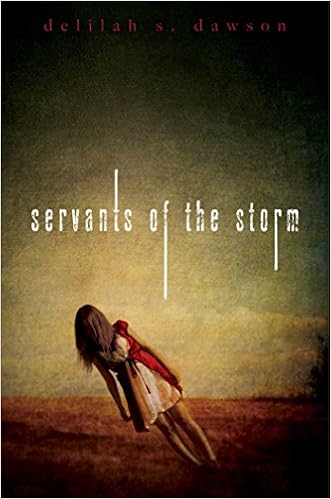
Servants of the Storm by Delilah S. Dawson
Truly creepy and set in the contemporary south after a hurricane--which turns out to be a horrifying entity served by demons and other monsters that creep about in the ruined city. The heroine tries to save a dead friend's soul while discovering this underworld with another friend and a charming boy with a sinister secret.
The Golden Compass by Phillip Pullman
A race of good witches, martial and intelligent polar bears, animal familiars, and a tough young heroine and a hero who sacrifices for her make this an original fantasy for all ages.
Daughter of Smoke and Bone by Laini Taylor
A romance between an angel and a demon, but not what you think. The angels are a martial race who have tried to conquer what they feel as the inferior people--the Chimerae. Karou is a young woman living in Prague, raised by benevolent, if monstrous, Chimerae. When she meets Akiva, the angel, an ancient connection is revealed between them.
Tales of Beauty and Madness (Nameless, Wayfarer, Kin) by Lili St. Crow
There are darker shades of Once Upon a time in this fantasy series set in a contemporary world that has seen a magical apocalypse. The series is about a friendship between three girls who are Cinderella, Snow White, and Red Riding Hood. Yes, there are boys, but they don't matter as much as the girls' fierce support of one another.
The Winter Prince by Elizabeth E. Wein
A different and disturbing take on King Arthur, centering around Medraut, King Artos's eldest bastard son. His half-brother, Lleu, is their father's favorite. Artos's sister--Medraut's mother--is a truly unsettling villain. Themes of abuse and twisted family dynamics add new dimension to this myth, made all the darker because it's told from the anti-hero Medraut's point-of-view.
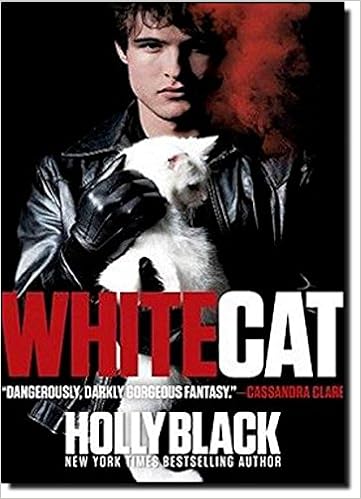
White Cat by Holly Black
Cassiel is a curse worker,a young man in this contemporary fantasy who lives, gypsy-like, in an alternative world of almost gangster-like magic. Curse work has some truly horrifying consequences and Cassiel might have to betray his family to save a girl he loves.
The Dark Angel Trilogy by Meredith Ann Pierce
Set in another world, on the moon, this strange and beautiful fantasy is about a girl named Aeriel who is stolen away, with her beautiful best friend, by one of the feared dark angels--heartless and lovely creatures who steal human girls to make their wives. He takes Aeriel as his servant because she isn't beautiful. His wives are all phantoms--he's a vampire. but Aeriel learns he's also captive to an evil witch.
The Silver Kiss by Annette Curtis Klause
Zoe is losing her mother to cancer. She's targeted by a feral and strange young man named Simon--whose enemy, a creature that pretends to be an innocent little boy, stalks him. It's an exquisite tale of defeating monsters and an acceptance of what it means to live and let go of those you love.
Six of Crows by Leigh Bardugo
This has shades of steampunk, set in a sort of Victorian world with shades of a Vermeer painting, with a dark anti-hero not expected in YA. Kaz is a teenage crime lord who must assemble a crew of young criminals to pull off a heist that might be impossible. Each character has a stake in this heist and failure means something different to each of them. The best scenes are when the young criminals are together, at odds, or saving one another.
The Raven Boys (Blue Lily, Lily Blue, The Dream Thieves, The Raven King) series by Maggie Stiefvater
Five young people are on a quest in the rural south for a legendary Welsh king. The adults are interesting and add layers to the teen characters. The villains are fantastic and wholly original. In fact, everything about this story is pretty much weird and original, the protagonists journeys both fun and poignant.
The Hallowmere series by Tiffany Trent
Set during the 1800s in America after the Civil War, this fantasy is about a group of young women who have been targeted by the malevolent faery folk. The faery prince, the villain, is seductive and terrifying, not the typical romantic antagonist. Each book features a different heroine and her struggle against these creatures. Unfortunately, this series was cut short by its publisher, but there are still 6 books: In the Serpent's Coils, By Venom's Sweet Sting, Between Golden Jaws, Maiden of the Wolf, Queen of the Masquerade, and Oracle of the Morrigan.
Servants of the Storm by Delilah S. Dawson
Truly creepy and set in the contemporary south after a hurricane--which turns out to be a horrifying entity served by demons and other monsters that creep about in the ruined city. The heroine tries to save a dead friend's soul while discovering this underworld with another friend and a charming boy with a sinister secret.
The Golden Compass by Phillip Pullman
A race of good witches, martial and intelligent polar bears, animal familiars, and a tough young heroine and a hero who sacrifices for her make this an original fantasy for all ages.
Daughter of Smoke and Bone by Laini Taylor
A romance between an angel and a demon, but not what you think. The angels are a martial race who have tried to conquer what they feel as the inferior people--the Chimerae. Karou is a young woman living in Prague, raised by benevolent, if monstrous, Chimerae. When she meets Akiva, the angel, an ancient connection is revealed between them.
Tales of Beauty and Madness (Nameless, Wayfarer, Kin) by Lili St. Crow
There are darker shades of Once Upon a time in this fantasy series set in a contemporary world that has seen a magical apocalypse. The series is about a friendship between three girls who are Cinderella, Snow White, and Red Riding Hood. Yes, there are boys, but they don't matter as much as the girls' fierce support of one another.
The Winter Prince by Elizabeth E. Wein
A different and disturbing take on King Arthur, centering around Medraut, King Artos's eldest bastard son. His half-brother, Lleu, is their father's favorite. Artos's sister--Medraut's mother--is a truly unsettling villain. Themes of abuse and twisted family dynamics add new dimension to this myth, made all the darker because it's told from the anti-hero Medraut's point-of-view.
White Cat by Holly Black
Cassiel is a curse worker,a young man in this contemporary fantasy who lives, gypsy-like, in an alternative world of almost gangster-like magic. Curse work has some truly horrifying consequences and Cassiel might have to betray his family to save a girl he loves.
The Dark Angel Trilogy by Meredith Ann Pierce
Set in another world, on the moon, this strange and beautiful fantasy is about a girl named Aeriel who is stolen away, with her beautiful best friend, by one of the feared dark angels--heartless and lovely creatures who steal human girls to make their wives. He takes Aeriel as his servant because she isn't beautiful. His wives are all phantoms--he's a vampire. but Aeriel learns he's also captive to an evil witch.
The Silver Kiss by Annette Curtis Klause
Zoe is losing her mother to cancer. She's targeted by a feral and strange young man named Simon--whose enemy, a creature that pretends to be an innocent little boy, stalks him. It's an exquisite tale of defeating monsters and an acceptance of what it means to live and let go of those you love.
Six of Crows by Leigh Bardugo
This has shades of steampunk, set in a sort of Victorian world with shades of a Vermeer painting, with a dark anti-hero not expected in YA. Kaz is a teenage crime lord who must assemble a crew of young criminals to pull off a heist that might be impossible. Each character has a stake in this heist and failure means something different to each of them. The best scenes are when the young criminals are together, at odds, or saving one another.
Monday, December 4, 2017
WHY THE LURE OF FAERIE IS AGELESS
Faeries were once called the Good Neighbors, the Hidden Folk, the Kindly Ones, the Strangers,the Gentry.
Fascination with these liminal beings who take the shapes of our fears, our desires, and our whims resurfaces on occasion. The glamour and enchantment of faerie has been alluded to in fashion by designers such as Alexander McQueen and Dolce and Gabbana; in cosmetic brands ELF and Pixi. Faery wedding dresses are available. Faeries are a popular theme for children's parties and toys. Faerie has gone commercial with the artists Alan Lee, Jasmine Becket Griffith, Amy Brown, and the Frouds, who have created an entire faery universe all their own.
The original faeries were not so tame. They were a terrifying race who mingled with the dead, strange and dangerous demons featured in ballads and folk tales such as 'Tam Lin,' 'Isabella and the Elfin Knight,' and 'Long Lankin.' In Celtic and Scandinavian mythology, they were the Tuatha de Danaan and the Alfar, people close to gods. Before electricity, they were considered creatures of the night, of dusk and dawn, beings to be feared--a common Irish cant against the faeries used to be 'May their backs be towards us, their faces turned away from us, and may God save us from harm.'
The faeries first revival occurred during the Elizabethan era, with Edmund Spenser's poem, 'The Faerie Queene,' a lengthy satire inspired by Queen Elizabeth and her court. And references to the faery folk are scattered throughout William Shakespeare's plays. The faeries are represented by the ethereal Ariel and the bestial Caliban in The Tempest, and, not only are they given center stage in A Midsummer Night's Dream, but emotions to rival those of the mortals who fascinate them.
The rendering of faeries as dangerous and seductive became the model in Victorian art and poetry. At the time, poetry was experiencing a Romantic period. 'La Belle Dame Sans Merci' by John Keats and Christina Rossetti's 'Goblin Market' became popular. Pre-Raphaelite artists such as John William Waterhouse depicted the faeries as beautiful women who haunted watery places and dusky woods. In John Duncan's works, they were the elegant Tuatha de Danaan. Edmund Dulac and Arthur Rackham illustrated the faeries as either luminous ladies or grotesque creatures. Yet, at the same time, faeries also became tiny winged elements of nature, harmless and playful, a metamorphosis that influenced the famous fake Cottingley photographs that so bewitched Artur Conan Doyle.
The early 1900s in Ireland produced the Celtic Renaissance led by the poet William Butler Yeats. While faeries appeared in poems and collections of folk tales, they were once again sinister, borderline entities with mysterious agendas, not anything one would want to encounter on the road home. Visions and Beliefs in the West of Ireland (1920) by Yeats's friend Lady Gregory is a fascinating collection of such faery encounters.
The faeries re-emerged during the Sixties, appropriately during the Flower Power/Hippie era, as the Elves in J.R.R. Tolkien's Lord of the Rings. Resembling the Scandinavian Alfar and the divine Tuatha de Danaan of Celtic lore, these Elves, for all their strangeness, battled, loved, and grieved. And, in the end, unlike Faerie, they departed the mortal world forever.
Yet another unlikely faerie Renaissance took place during the decade of New Wave and Preppy. Urban faeries were born in the rapidly expanding fantasy fiction genre of the 80s, most prominently in Charles de Lint's Newford series, where Celtic and Native American faeries vied for the attention of humans. Emma Bull's War for the Oaks and Terri Windling's Bordertown series introduced the punk elf. These faeries were inspired by the Gentry of Celtic folklore, the more civilized faery folk, who traveled the country in coaches while wearing fancy clothes. Faeries sloughed their shadows to become modern artists, musicians, motorcycle gangs, and people on the fringe. Faery love in these stories was a little less perilous than it had been in Victorian poems. Urban faeries were Mad Hatters and Cheshire Cats, tricksters with shady motivations. They were White Rabbits who led the protagonists into other worlds, and Red Queens who reflected the heroine's dark side.
Faeries have infiltrated non-fantasy literature as well, becoming symbols of mortal fears: death, the shadow lover, the unknown, nature. A faery shapeshifter symbolizes the awakening sexuality of the protagonist in Graham Joyce's The Tooth Fairy. And, are they a cult, or, as Shakespeare describes, 'a team of little atomies' representing nature, in Joyce's Some Kind of Fairy Tale? The remnants of faerie live as a mysterious family in John Crowley's magnificent Little Big. In Sylvia Townsend Warner's dark satire Lolly Willowes, the faeries are synonymous with witches and devil worship, and haunt a spinster until she joins them. The Horned Herne the hunter might be a malevolent, murderous force in Tana French's thriller In the Woods.
Urban faeries are a perfect example of the old world adapting to the new. With the surge in YA literature, the faerie folk have been reborn again as demon lovers, monsters, the ultimate Mean Girl. Because they are border creatures, they're also rule breakers, and what teen doesn't love a character who shatters the rules and has no respect for an authority such as reality? The faery folk are danger, the thrill of the unknown. As Jung writes of fairy tales: They teach us to 'turn directly toward the approaching darkness without prejudice and totally naively, and try to find out what its secret aim is and what it wants from you.' Which is a perfect summary of faery encounters in YA or anywhere else.
Aside from that tiny granddame Tinker Bell, faeries have not fared so well onscreen,where goblins and other grotesques have been more prevalent. Labyrinth, Legend, and Guillero del Toro's Pan's Labyrinth have been the most successful in portraying the land of Faerie, combining all its wonders and terrors. With the exception of the Elves of The Lord of the Rings movies and Victor Jory's darkly luminous and eerie Oberon in the 1935 film A Midsummer Night's Dream, the faery folk themselves have been more elusive in a medium where fantasy must translate so literally to solid form. It is this elusiveness, this refusal to bond to any shape, which has intrigued artists and writers for centuries. The faeries are indeed ageless--and, by adapting to each era, have kept themselves forever alive in our imaginations.
"For spirits when they please,
Can either sex assume, or both, so soft
And uncompounded in their essence pure,
Not ty'd or manacled with joint or limb,
Nor founded on the brittle strength of bones,
Like cumbrous flesh; but, in what shape they choose,
Dilated or condensed, bright or obscure,
Can execute their aery purposes,
and works of love or enmity fulfill."
John Milton
Subscribe to:
Comments (Atom)